

The DevTech Fellowship is a new initiative to join efforts to promote the design, implementation, and evaluation of coding playgrounds that promote character development and human values alongside learning computational thinking, technical skills, and problem-solving.
Grounded in an international community of practice of over 40 nonprofit organizations worldwide, the DevTech Fellowship is an opportunity to continue working together to transform how computer science is taught and, ultimately, to promote new ways of learning that integrate the cognitive, social, emotional, physical, ethical and spiritual aspects of being human.
The goals of the DevTech fellowship are to create an active network of non-profit organizations, educators, and researchers that collaborate on innovative educational practices, share resources, and exchange knowledge and skills.
How to get involved
Organizations and/or educators will have four ways of becoming DevTech fellows. However, they also have the opportunity to spend time at DevTech and participate in our vibrant community by working alongside our team. They will be provided with a shared office space to conduct their work. The time of the Fellowship appointment will be negotiated with the candidate.
No funding will be provided to support the residency.
Coding as Another Language
Organizations and/or educators interested in working with the CAL curriculum are invited to engage in two ways (can do one option or both together!):
- Translate and Adapt: translate and localize the CAL curriculum to your local languages and cultural contexts to make learning experiences more meaningful and relevant to student’s interests, backgrounds, and needs.
- Research and Evaluate: utilize and adapt DevTech’s study protocols and evaluation measures to conduct your own research study around the CAL curriculum in your local context.
To learn more, visit our CAL Get Involved Page.
Data Collection with PTD Rubric
Organizations or educators interested in exploring the DevTech approach to computer science education can participate in hands-on training on the Positive Technological Development (PTD) Rubric. This research-based tool provides a structured framework for observing and assessing the learning environment and facilitator practices through the lens of PTD. Through this, educators, researchers, and program leaders will learn how to:
1. Use the PTD Rubric as an observational tool to gather meaningful data about how well environments support creative, collaborative, and socially positive computing experiences.
2. Evaluate facilitator interactions and instructional strategies that align with the core principles of the DevTech approach, including exploration, autonomy, and positive peer engagement.
3. Write academic papers collaboratively with DevTech researchers.
Video Repository
Organizations and/or educators interested in exploring the DevTech approach to computer science education can support the creation of a video repository to showcase effective teaching practices, document classroom implementations, and provide accessible professional development resources for teachers. This repository could be a valuable tool for spreading knowledge about the DevTech pedagogy, inspiring innovation in early childhood computing education, and fostering a community of practice among educators.
Collaboration with ScratchJr Prototypes
Organizations and/or educators can also provide technical guidance to collaborate on developing and implementing new prototypes into their learning environments. Using the Coding as Another Language Curriculum for ScratchJr BOTS & BLOCKS, fellows can support with testing, implementing, and collaborative data collection and analysis.
Other projects
Organizations or educators are also encouraged to propose original projects that align with the DevTech approach, offering opportunities to collaborate directly with the DevTech team. These initiatives could focus on research, curriculum development, teacher training, community engagement, etc., to support the continued growth and innovation in early childhood computer science education.
How to apply
Complete this Google Form to submit your proposal to become a DevTech Fellow!
2025 Fellows
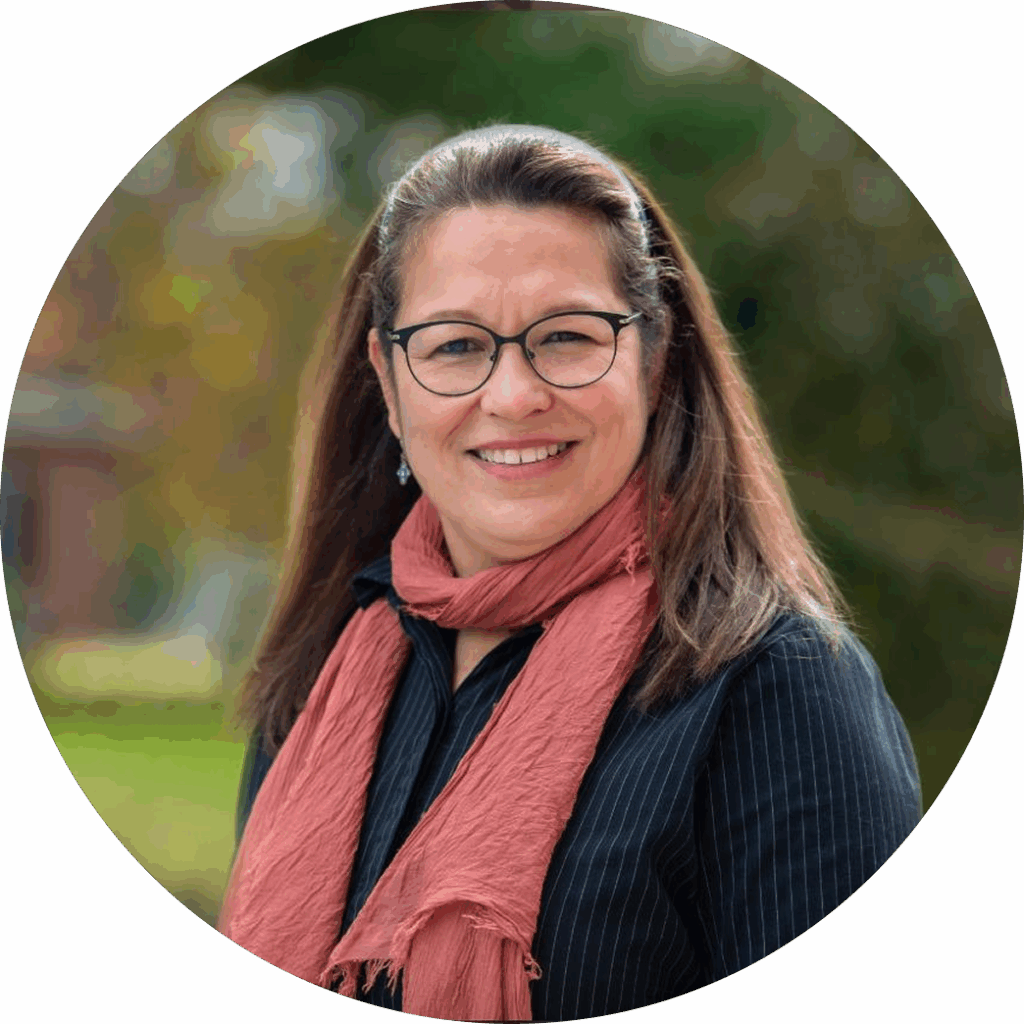
Marisel Torres- Crespo
Dr. Marisel Torres-Crespo is a Full Professor of Education at Hood College. With two decades of experience, she specializes in early childhood education, curriculum design, instructional technology, and educator training. As a DevTech fellow, Marisel proposes a multimodal, play-based approach to teaching computational thinking to PreK children, allowing them to embody and build concepts before transitioning to digital storytelling with ScratchJr. Throughout this fellowship, Marisel hopes to contribute to filling a critical gap in early learning by offering a practical, research-informed model for integrating computational thinking and programming into PreK classrooms.
Learn more about Marisel’s work, visit her website.

Carina González González
Carina González González has worked in collaboration with the DevTech Research Group for over 10 years. In the Fall of 2025, she joined as a DevTech Fellow. Carina is a Full Professor of Computer Architecture Technology at the University of La Laguna (Spain), teaching across multiple departments. In her work as a fellow, Carina plans to extend DevTech’s work with a palette of virtues to diverse educational contexts, including hospital classrooms, allowing children undergoing long-term treatments to participate meaningfully in digital learning.
To learn more about Carina’s work, visit her website.
Past Fellows
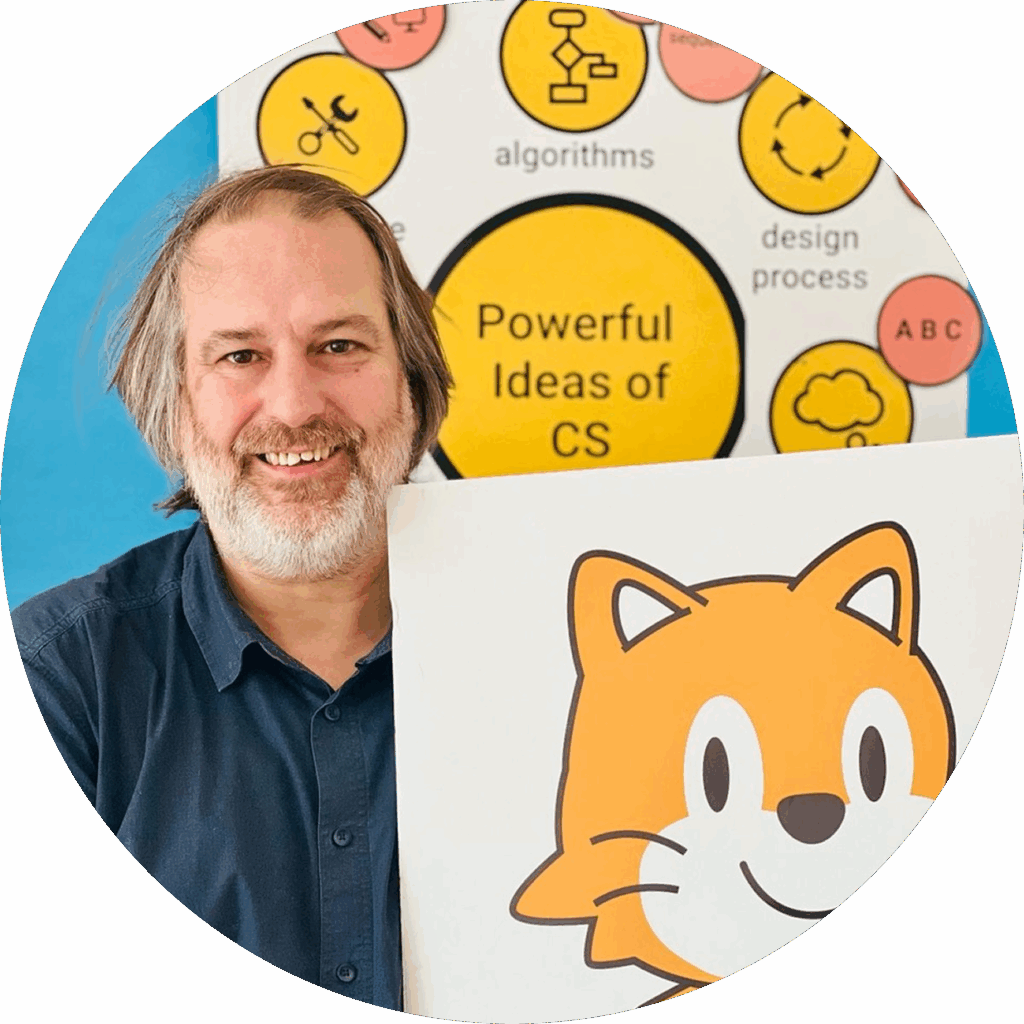
Jordi Friexenet
Jordi joined the DevTech Research Group from January, 2024 – July, 2024. Jordi Freixenet is a Full Professor of Computer Engineering at the University of Girona, researching the transformative power of creative technologies in education. Employing a research-practice approach, he co-designs and tests playful learning experiences with schools, teachers, and children. During his time at DevTech, Jordi worked to design and implement creative applications and activities for ScratchJr. Building off of previous work, he had a special interest in integrating the pedagogical lens of Maria Montessori into work with ScratchJr.
To learn more about Jordi’s work, visit his website.
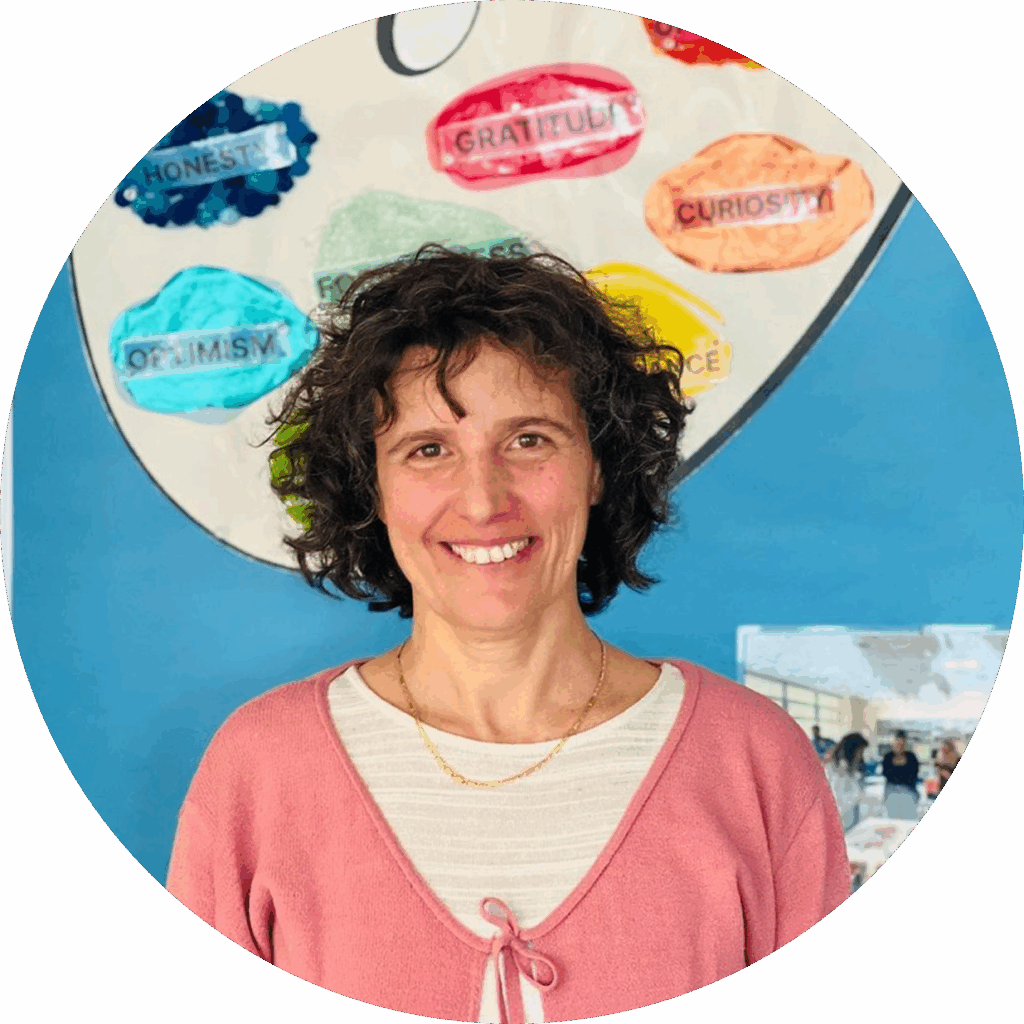
Mariona Niell Colom
Mariona joined the DevTech Research Group from January, 2024 – July, 2024. Mariona is a part time associate professor at the University of Girona as well as an art teacher for secondary school students. During her time at DevTech, Mariona collaborated with Jordi to design and implement creative applications and activities for using ScratchJr. Drawing on Montessori practices, Mariona took a specific focus on designing off-screen, arts and crafts based extensions to ScratchJr learning activities.
To learn more about Mariona’s work, visit her website.

Kati Sormunen
Kati joined the DevTech Research Group from February, 2024 – May 2024. Kati is a university lecturer at the University of Helsinki. During her time with DevTech, Kati worked to develop a study design for implementing tangible ScratchJr technologies for classroom settings in Helsinki. Kati’s focus while developing this study design was on teacher education and inclusive practices for children with special needs.
To learn more about Kati’s work, visit her website.