6.8
[1] Nec Mercurius omīsit obsequium. Nam per omnium ōra populōrum passim discurrēns sīc mandātae praedicātiōnis mūnus exsequēbātur: [2] “Sī quis ā fugā retrahere vel occultam dēmōnstrāre poterit fugitīvam rēgis fīliam, Veneris ancillam, nōmine Psȳchēn, conveniat retrō mētās Murtiās Mercurium praedicātōrem, [3] acceptūrus indicīvae nōmine ab ipsā Venere septem sāvia suāvia et ūnum blandientis adpulsū linguae longē mellītum.” [4] Ad hunc modum prōnūntiante Mercuriō tantī praemiī cupīdō certātim omnium mortālium studium adrēxerat. Quae rēs nunc vel maximē sustulit Psȳchēs omnem cūnctātiōnem. [5] Iamque forēs eī dominae proximantī occurrit ūna dē famulitiōne Veneris nōmine Cōnsuētūdō statimque quantum maximē potuit exclāmat: [6] “Tandem, ancilla nēquissima, dominam habēre tē scīre coepistī? An prō cēterā mōrum tuōrum temeritāte istud quoque nescīre tē fingis quantōs labōrēs circā tuās inquīsītiōnēs sustinuerīmus? (7) Sed bene, quod meās potissimum manūs incidistī et inter Orcī cancrōs iam ipsōs haesistī datūra scīlicet āctūtum tantae contumāciae poenās,”
Mercury’s search notice leads Venus’ servant to capture Psyche, who is dragged back to face Venus’ anger and impending punishment.
Sī quis: quis = aliquis.
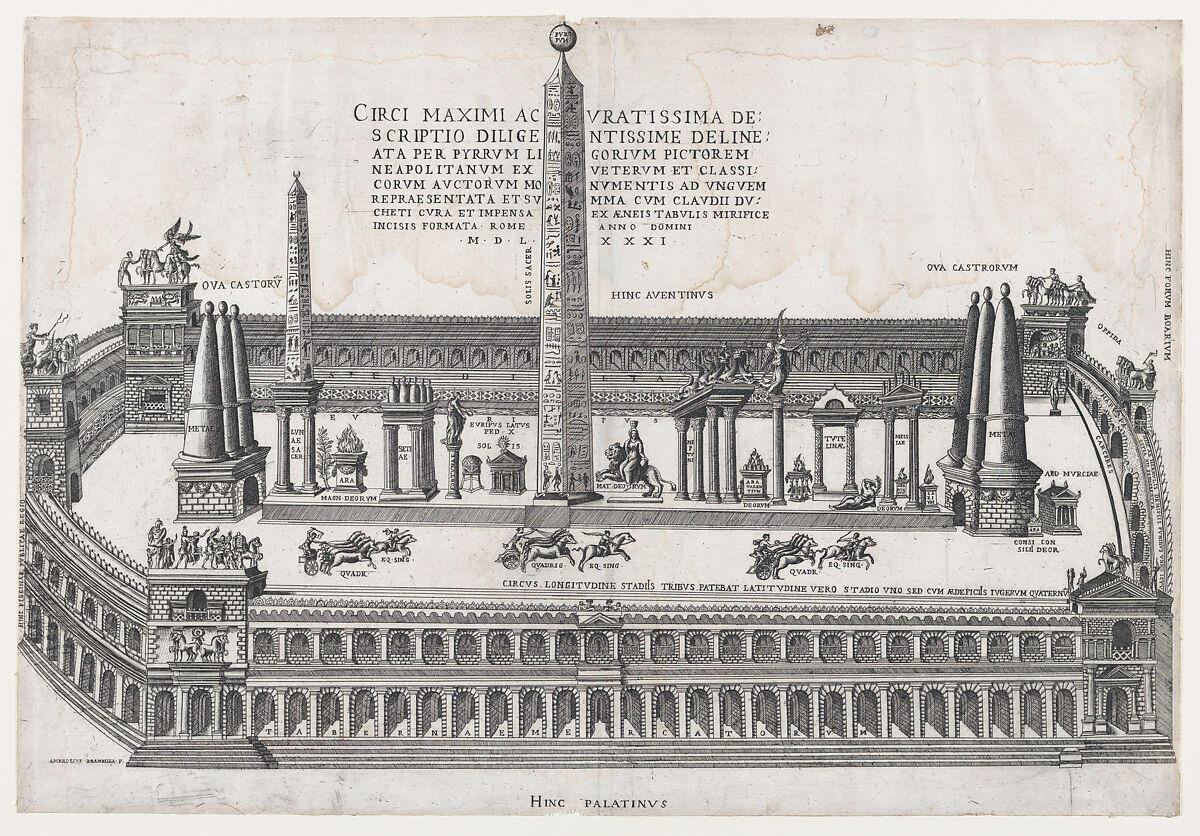
mētās Murtiās: “the Murtian turning posts.” The shrine of the goddess Murcia was incorporated in the Circus Maximus. There was also a tradition connecting Murcia to Venus (Kenney). Mercury is telling anyone with information to meet him at the Circus Maximus.
acceptūrus: “(in which case) he will receive,” i.e. the reward is conditional on turning Psyche in.
indicīvae nomine: “by way of reward” (Kenney)
ūnum blandientīs adpulsū linguae longē mellītum: “a very honey-sweet one with the thrusting of (her) soothing tongue”
Quae: a connecting relative referring to everything that just happened.
vel maxime: see 5.28.9
eī…proximantī: eī refers to Psyche; occurrit takes a dative object.
quantum maximē potuit: see 5.25.1
prō: “as one might expect from” (Kenney)
fingis: here “to pretend” rather than “to form.” Governs the indirect question quantōs …sustinuerīmus.
istud & quantōs: direct objects of nescīre. quantōs also introduces an indirect question
circā: here “concerning” rather than “around”
Orcī: Orcus, god of the Underworld. Here, an embodiment of death itself.
inter Orcī cancrōs iam ipsōs haesistī: “You already are stuck among the crablike hands of Orcus.” This unique meaning of cancrōs is justified by the parallel with meās potissimum manūs incidistī (Kenney). Habit is threatening Psyche, essentially telling her that she is already dead.
datūra … poenās: see 5.24.5.
praedicātīo, -ōnis f: proclamation
retrō (prep. + acc.): behind
s(u)āvium, -iī, n: see 5.23.3
blandior, -iri, -itus: see 5.31.7
certātim: (adv.) in rivalry, competitively
adrigo, -rigere, -rēxi, -rēctum: to raise, arouse
cūnctātiō, -ōnis, f: delay, hesitation, doubt
proximo, -āre: to come near, approach
famulitiō, -ōnis f: servant household
inquīsītiō, -ōnis, f: a seeking, searching
potissimum (adv.): especially
āctūtum (adv.): see 5.24.5
contumācia, -ae, f: stubbornness
The mētās Murtiās refer to the right set of turning posts in this 16th-cen. print of the Circus Maximus. There, a shrine dedicated to the goddess Murcia, associated with Venus, sat. This shrine is seen to the right of the turning posts in this print, marked as AED MVRCIAE.
Giovanni Ambrogio Brambilla, Circus Maximus, 1581, Print, The Metropolitan Museum of Art, Public Domain via The Metropolitan Museum of Art. Photo Credit: The Metropolitan Museum of Art