
6.7
[1] Tunc sē prōtinus ad Iovis rēgiās arcēs dīrigit et petītū superbō Mercurī deī vōcālis operae necessāriam ūsūram postulat. [2] Nec rennuit Iovis caerulum supercilium. Tunc ovāns īlicō, comitante etiam Mercuriō, Venus caelō dēmeat eīque sollicitē serit verba: [3] “Frāter Arcadī, scīs nempe sorōrem tuam Venerem sine Mercurī praesentiā nīl unquam fēcisse nec tē praeterit utique quantō iam tempore dēlitēscentem ancillam nequīverim reperīre. Nīl ergō superest quam tuō praecōniō praemium investīgātiōnis pūblicitus ēdīcere. [4] Fac ergō mandātum mātūrēs meum et indicia quī possit agnōscī manifēstē dēsignēs, nē sī quis occultātiōnis illicitae crīmen subierit, ignōrantiae sē possit excūsātiōne dēfendere.” (5) Haec simul dīcēns libellum eī porrigit ubi Psȳchēs nōmen continēbātur et cētera. Quō factō prōtinus domum facessit.
Having fitted out her chariot and heading back to earth, Venus implores Mercury to put a bounty on Psyche and spread the word that she is a fugitive.
Frāter Arcadī: Mercury was born on Mt. Cyllene in Arcadia (Hymn. Herm. 1-2).
serit verba: lit. “she interchanged words”, i.e., “she spoke to” (+ dat.)
sorōrem tuam Venerem sine Mercurī praesentiā nīl unquam fēcisse: That is, verbal seduction is part of sex.
nec tē praeterit: lit. “nor does it pass by you,” i.e., “and you know,” governs the indirect question quantō…nequīverim reperīre.
mātūrēs… dēsignēs: indirect command governed by fac, with ut omitted.
quī: this is quī the relative adverb meaning “whereby,” not the relative pronoun (L&S s.v. qui2 II1)
subierit: a specific usage of subeō in a legal context, best translated with crīmen as “to suffer, submit to” (L&S s.v. subeo IIB2c).
ignōrantiae: ignorance was usually not a valid defense, but, in rare cases, “women, minors, soldiers, [and] inexperienced rustic persons” could use such an excuse (Berger, 491).
libellum… cetera: Distributing wanted posters for fugitive slaves, such as the one described by Venus here, was a common practice. They would typically include a description of the slave’s indicia— their general build, face, any distinguishing features, e.g., scars or tattoos, and belongings (Cromwell 2019). (See Media for image of such a libellus.)
petītus, -ūs m.: a request
vōcālis, -e: sonorous, singing, speaking
necessārius, -a, -um: essential; familial
ūsūra, -ae f.: a use
rennuō, -ere, -uī: to nod backward (in disapproval)
caerulus, -a, -um: azure, dark blue
dēmeo, -āre: to descend
dēlitēscō, -ere, -lituī: to lie hid, lurk
praecōnium, -iī n.: see 5.10.8
pūblicitus (adv.): publicly
occultātio, -ōnis f.: a hiding, concealment
illicitus, -a, -um: forbidden, unlawful
facessō, -ere, -ī, -ītum: to do eagerly; go away, set off
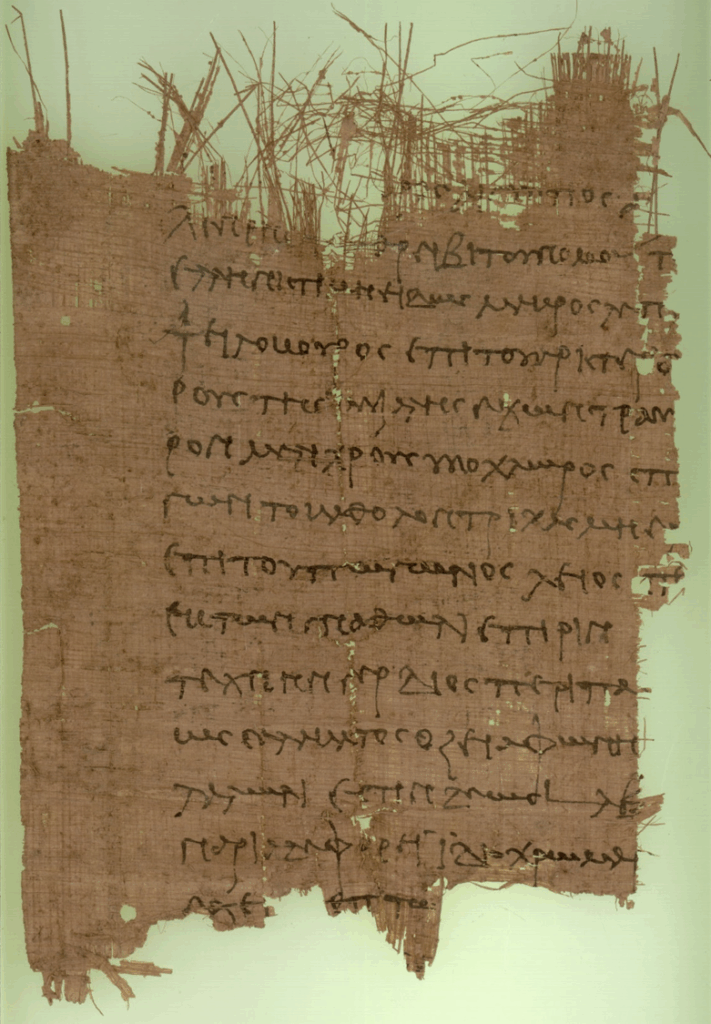
A papyrus libellus “Wanted Poster” seeking the return of a fugitive slave, like the one Venus has Mercury prepare.