What is the Seed Team?
In implementation science a seed team refers to a group of individuals who are responsible for initiating and facilitating the adoption of evidence-based practices or interventions within an organization or community.
Seed Team Key Goals
- Ensure long-term sustainability
- Serve as trainers or facilitators using interactive and engaging methods to ensure participants can effectively learn and apply new practices
- Provide ongoing support and coaching in the form of regular check ins, feedback sessions, and additional training to reinforce learning for interventionists
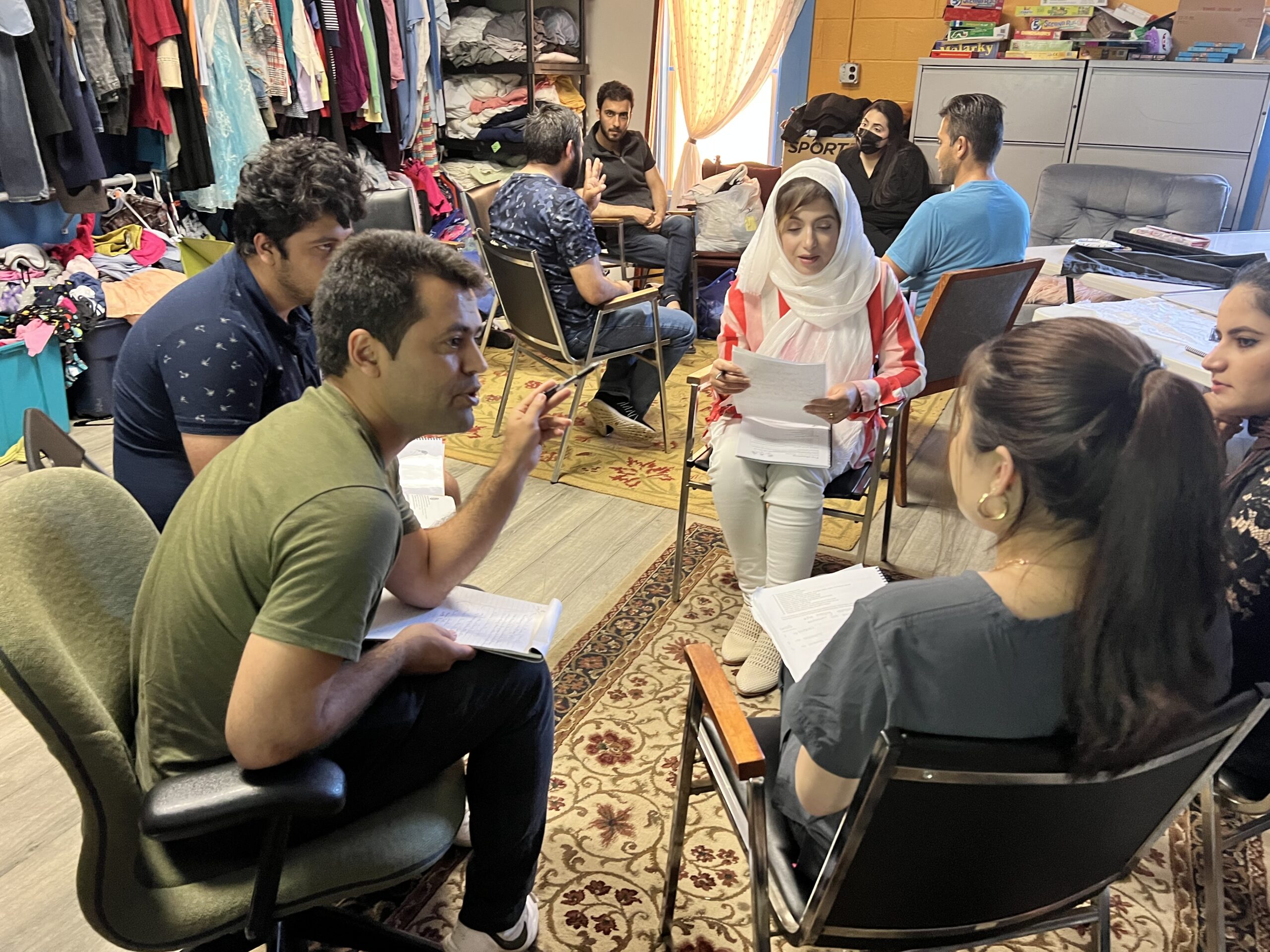
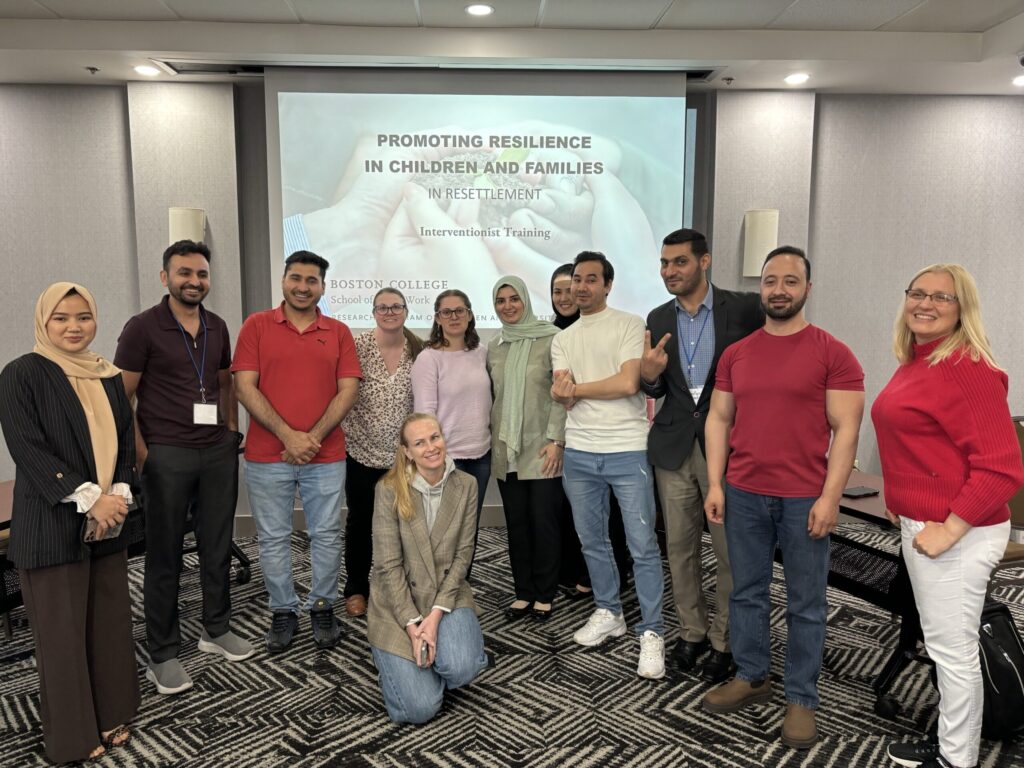
The Family Strengthening Intervention for Refugees (FSI-R) was developed and tested as a culturally and linguistically tailored intervention in partnership with immigrant and refugee communities. Based on previous research in Rwanda on the FSI for HIV affected populations, the FSI-R was developed using a community-based participatory research (CBPR) approach, initially co-created with Somali Bantu and Lhotshampa Bhutanese refugee communities in :
- Chelsea, MA
- Springfield, MA
- Lewiston, ME
Funded by the National Institute on Minority Health and Health Disparities (NIMHD) (R24MD008057-03S1). Following a first planning grant from NIMH using community-based participatory research (CBPR) approaches to co-develop and pilot the intervention, we conducted a Hybrid Type II effectiveness trial of the standard FSI-R from 2019-2022 with a second grant from the NIMHD (R01MD010613-06).
The FSI-R has a whole-family prevention intervention approach and is supported by multiple organizations, including the U.S. Committee for Refugees and Immigrants. The FSI-R has been adapted for
- Afghan
- Somali Bantu
- Lhotshampa Bhutanese
refugee communities in the United States. The FSI-R is designed to be delivered by non-specialists from the community they serve, using a 10-12 module home-visiting approach.
In addition, our research has developed a digital application designed to enhance fidelity to the evidence-based intervention by providing an easy-to-use format that is more user-friendly than a paper manual. The digital tool has been co-developed and co-created in collaboration with refugee populations, UI/UX researchers, and computer science students.
The FSI-R is currently being administered for Afghan populations in the United States. We have conducted a pilot study of our Afghan FSI-R in Maine, and we are now working with partners in Michigan to further the impact of the FSI-R for vulnerable Afghan families across the state.
Our Team

Farhad Sharifi
Master RPCA Trainer Research Associate, Cultural Advisor
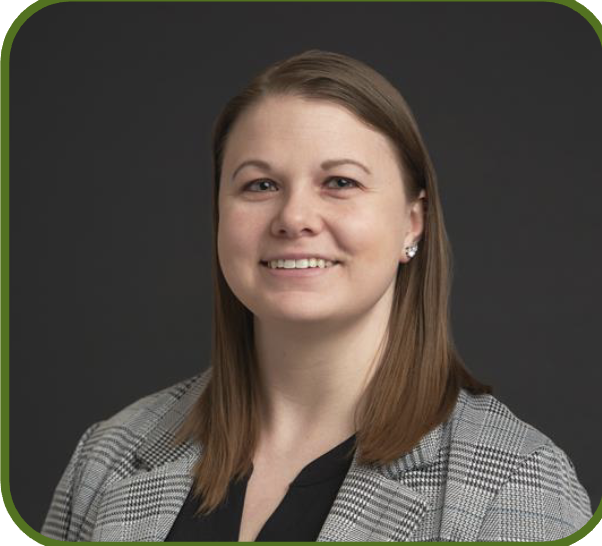
Caroline Dilts
Master RPCA Trainer Refugee Program Manager

Theresa Betancourt
Salem Professor in Global Practice, Director RPCA

Haitisha Mehta
Doctoral Research Assistant