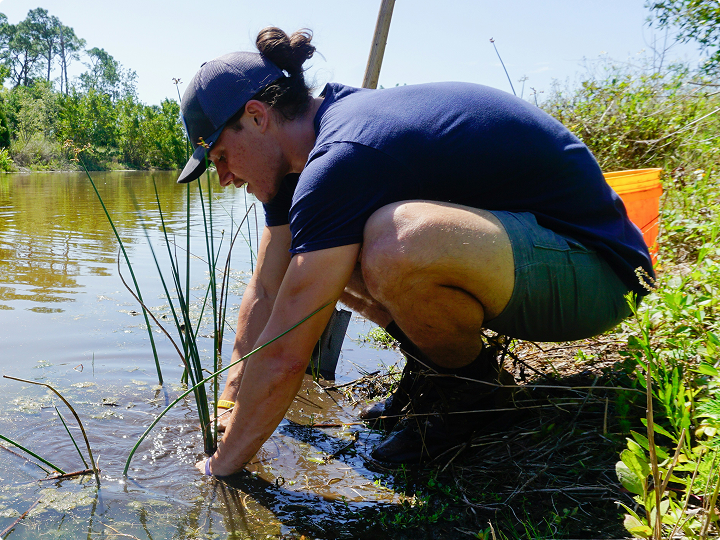
Design in research fuels the engine of discovery, deepening a commitment to ethical community engagement.
In a world facing intricate societal issues, research must move beyond the lab to generate knowledge that is not only rigorous but also relevant, equitable, and directly impactful. Using a transformative framework integrating human-centered design (HCD), participatory co-creation, and robust ethical reflection directly into the research lifecycle, researchers at BC foster innovative solutions and enrich the process of inquiry itself.
Our Approach
Design in research moves beyond purely technical or discipline-bound investigation: we champion research that actively involves a wide range of perspectives and prioritizes real-world context.
We foster collaborative inquiry where researchers, students, and community partners work together—co-designing studies, generating insights, and shaping solutions through iterative dialogue and shared understanding. By grounding our research in lived experiences, upholding rigorous ethical standards, and embracing participatory action, we cultivate not only robust findings but also empowered communities and solutions genuinely designed to serve human needs and advance the common good.
This is could be a caption style for in-line photos that overlays the image.
Guiding Principles
We are guided by a commitment to understanding human experiences, fostering collaboration, upholding ethical standards, and driving meaningful social impact.
Focusing on People
Developing deep empathy to understand the needs, behaviors, contexts, and aspirations of the individuals and communities our research aims to serve.
Solving the Right Problem
Moving beyond symptoms to identify and address the root causes of challenges, ensuring our research targets fundamental issues.
Thinking Systemically
Recognizing that problems and solutions exist within complex, interconnected systems (social, cultural, technical).
Iteration
Embracing a cycle of prototyping, testing, and refining ideas based on continuous feedback to ensure solutions are effective and relevant.
This is could be a caption style for in-line photos that add some layering and depth opposed to a simple div below the image or over the lower third. The height of the box is determined by the length of the caption.
Co-Creation & Participatory Design
BC design research underscores how most impactful solutions are created with, not just for, communities. Our participatory approach emphasizes:
Inclusion
Intentionally involving a wide range of individuals and organizations, especially end-users and community members, in the research process.
Collaboration
Using workshops and shared activities where all participants contribute their unique knowledge and perspectives.
Empowerment
Giving participants a genuine voice and influence in decision-making, valuing their expertise equally and addressing power dynamics.
This is could be a caption style for in-line photos that overlays the image.
Ethical Design Research for Social Impact
Research at BC is grounded in rigorous ethical principles that ensure respect, dignity, and safety for all participants. For many researchers at BC, the ultimate goal is to translate research into tangible benefits for society. Across schools at BC, research focuses on applying design methodologies to address pressing social challenges and contribute to the common good. Design research is guided by the following foundational principles:
Informed Consent
Ensuring participants fully understand the research and voluntarily agree to participate.
Privacy & Confidentiality
Protecting participant identities and sensitive information through secure data practices.
Equity & Representation
Striving for fair representation and actively addressing power imbalances, especially when working with marginalized communities.
Minimizing Harm
Proactively identifying and mitigating potential risks associated with the research.
Alignment with BC Standards
Adhering strictly to Boston College IRB guidelines and federal regulations for human subjects research.
Get Involved
Whether you're a researcher, student, or potential collaborator, there are many ways to connect with and contribute to Design in Research at BC.
For Researchers
Explore opportunities for collaboration across disciplines
Access resources on HCD, participatory methods and ethical research practices
Find support for integrating design into grant proposals and IRB submissions
For Students
Discover opportunities through research assistantships, capstone projects, and independent studies
Find faculty mentors working on design-focused research
Explore relevant courses
For Community Partners
Learn more about our approach to equitable, collaborative partnerships
Explore potential areas for collaboration to address community needs
See examples of successful community-engaged projects
You May Also Like:
Design Facilities
The Hatchery
Design Experiences
Events & Extra Curriculars
Design in Research
Design Thinking in Action
Design People
Faculty & Staff
Eagles with Impact
All Student Stories
Want to be a part of like-minded thinkers?
Come checkout a number of student organizations within DCC that love to solve problems, ideate & make.